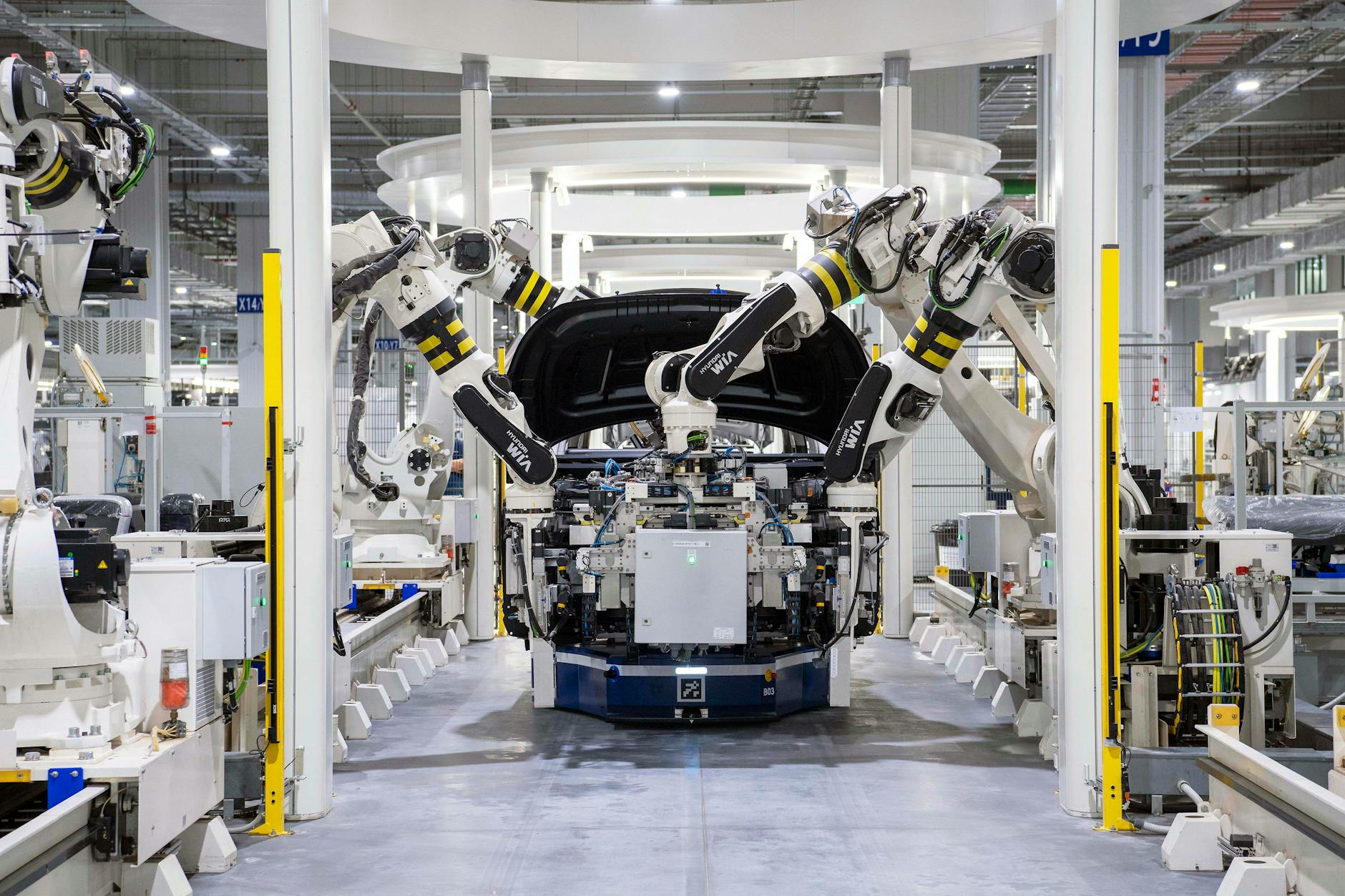
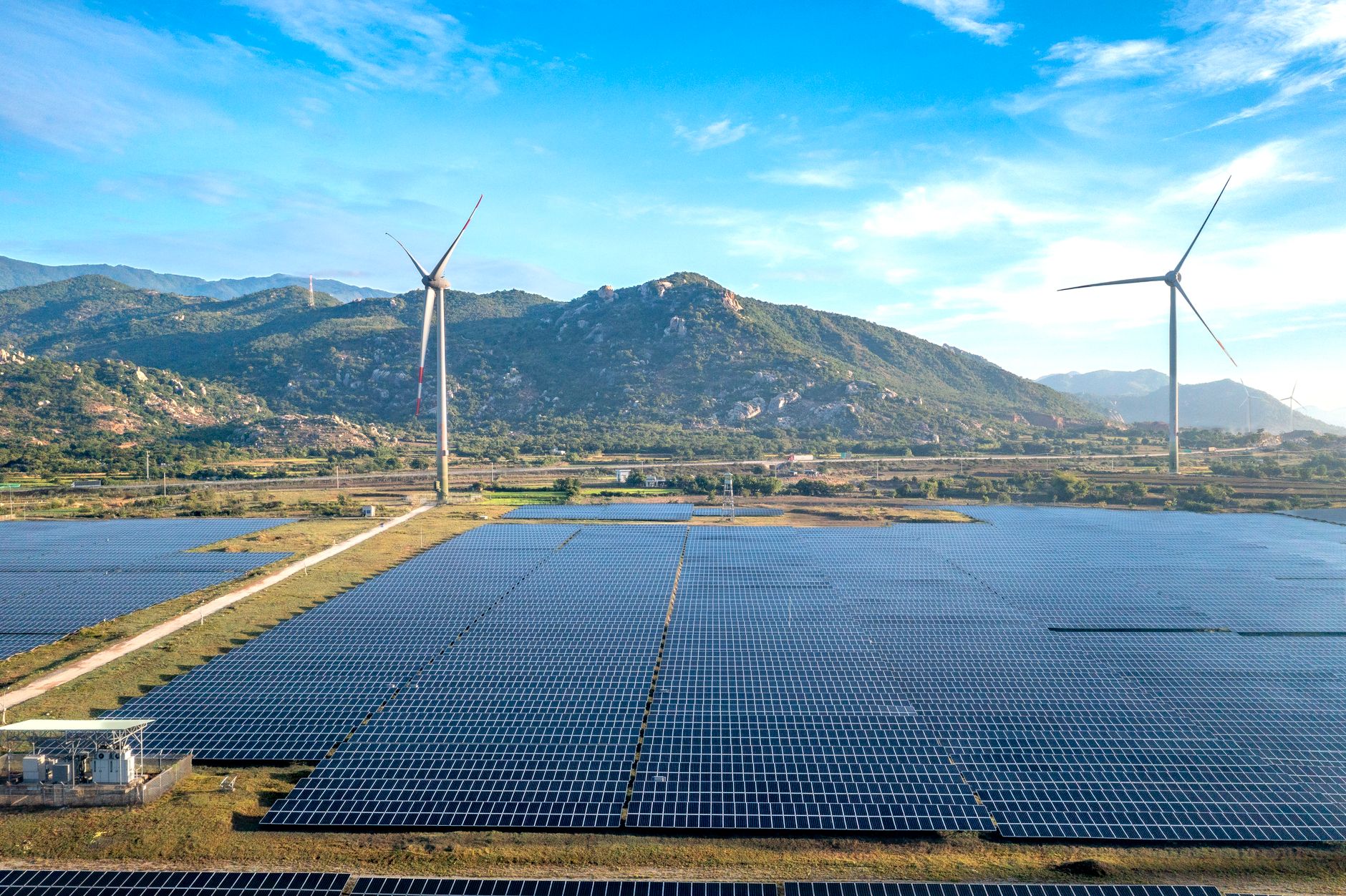
Elon Musk recently shared a compelling video showcasing the future vision for Terafab, a colossal new facility planned for Grimes County, Texas. This render highlights not only the stunning architecture but also upcoming advancements like the driverless Robovan for cargo and passengers, alongside the Tesla Semi and Cybercab. The video also features Optimus robots, central to the facility's operations. This ambitious project signals a significant leap toward highly automated, electric, and environmentally conscious industrial infrastructure, demonstrating a bold step in sustainable technology and global manufacturing.
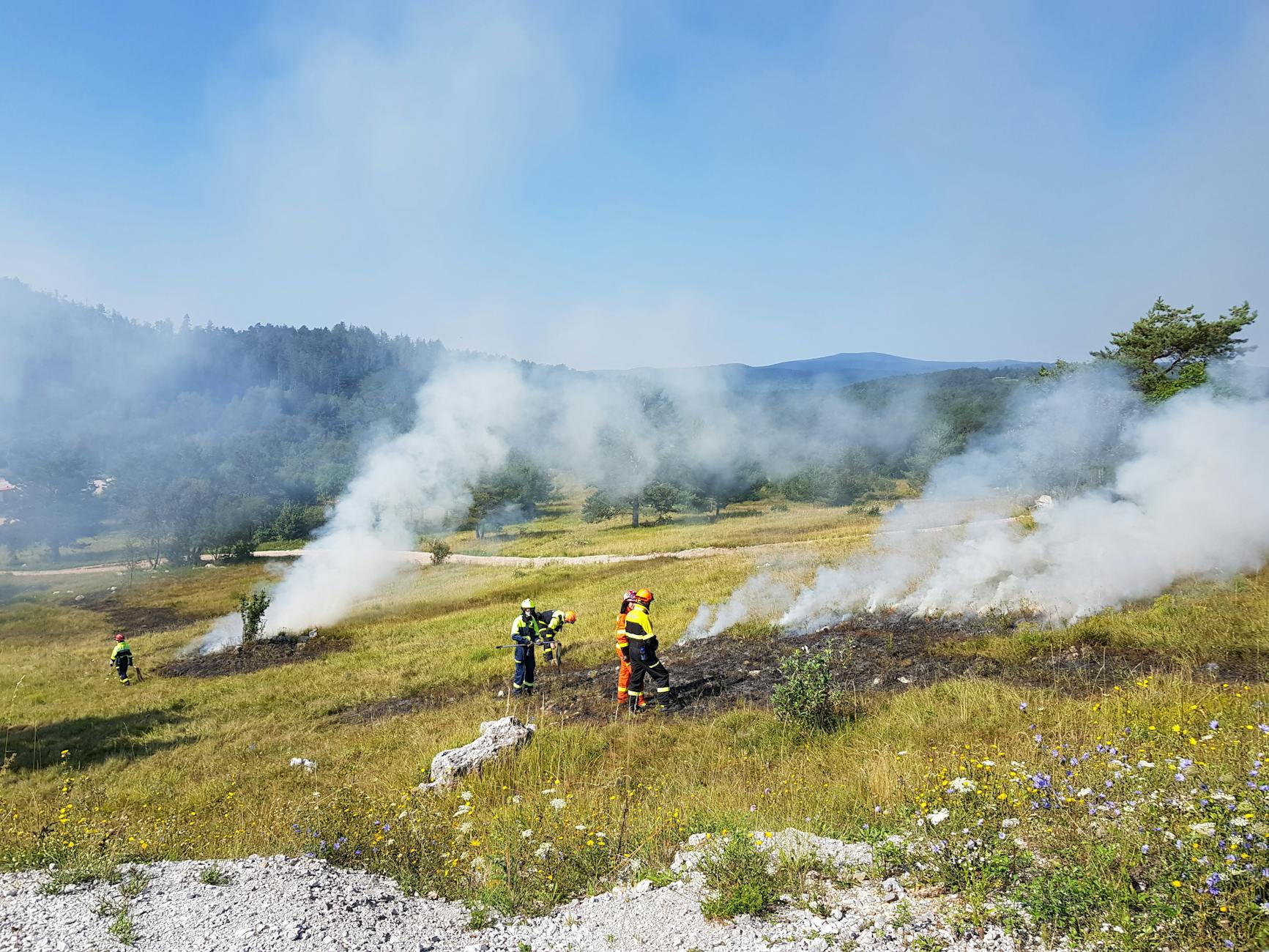
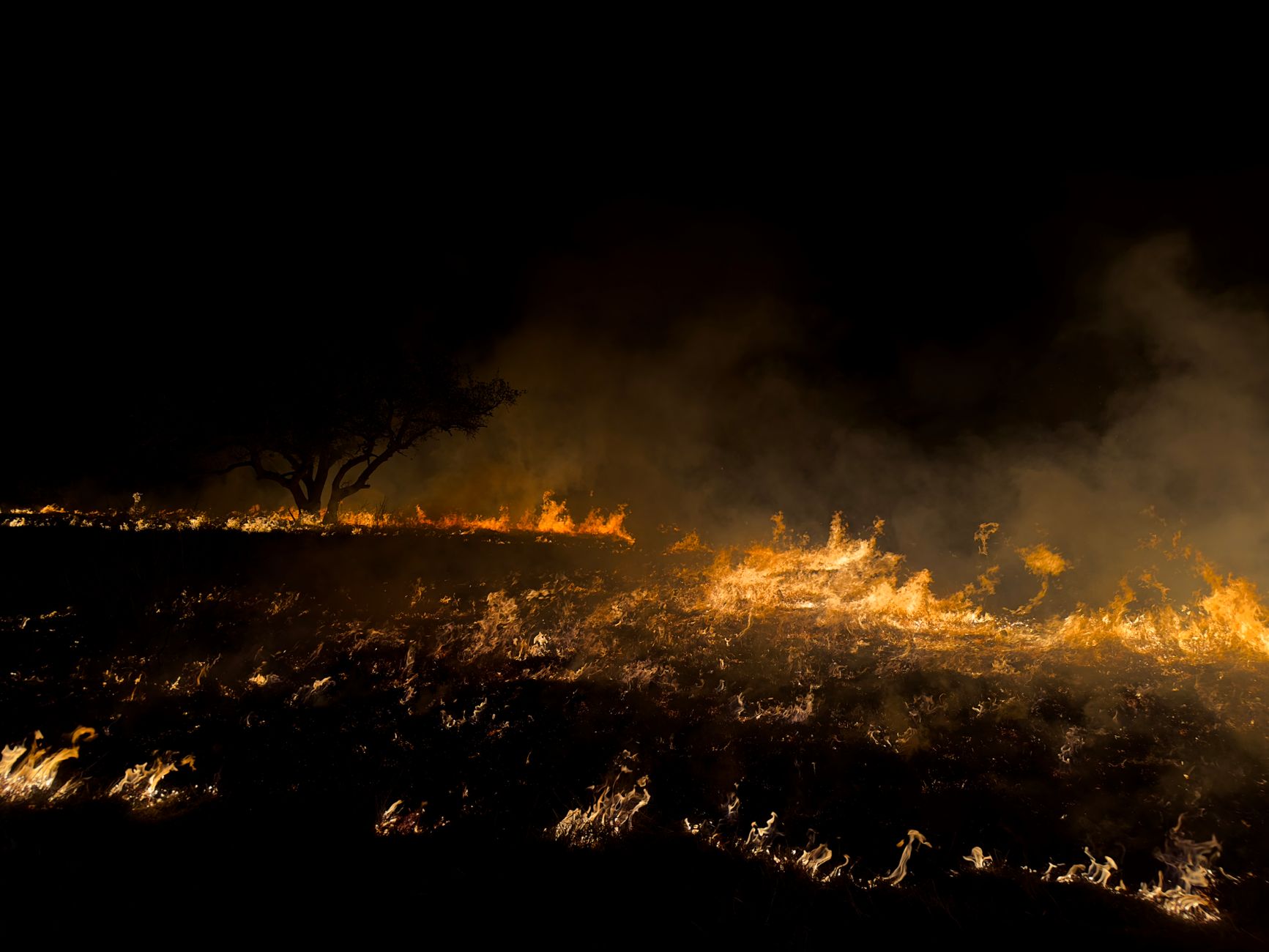
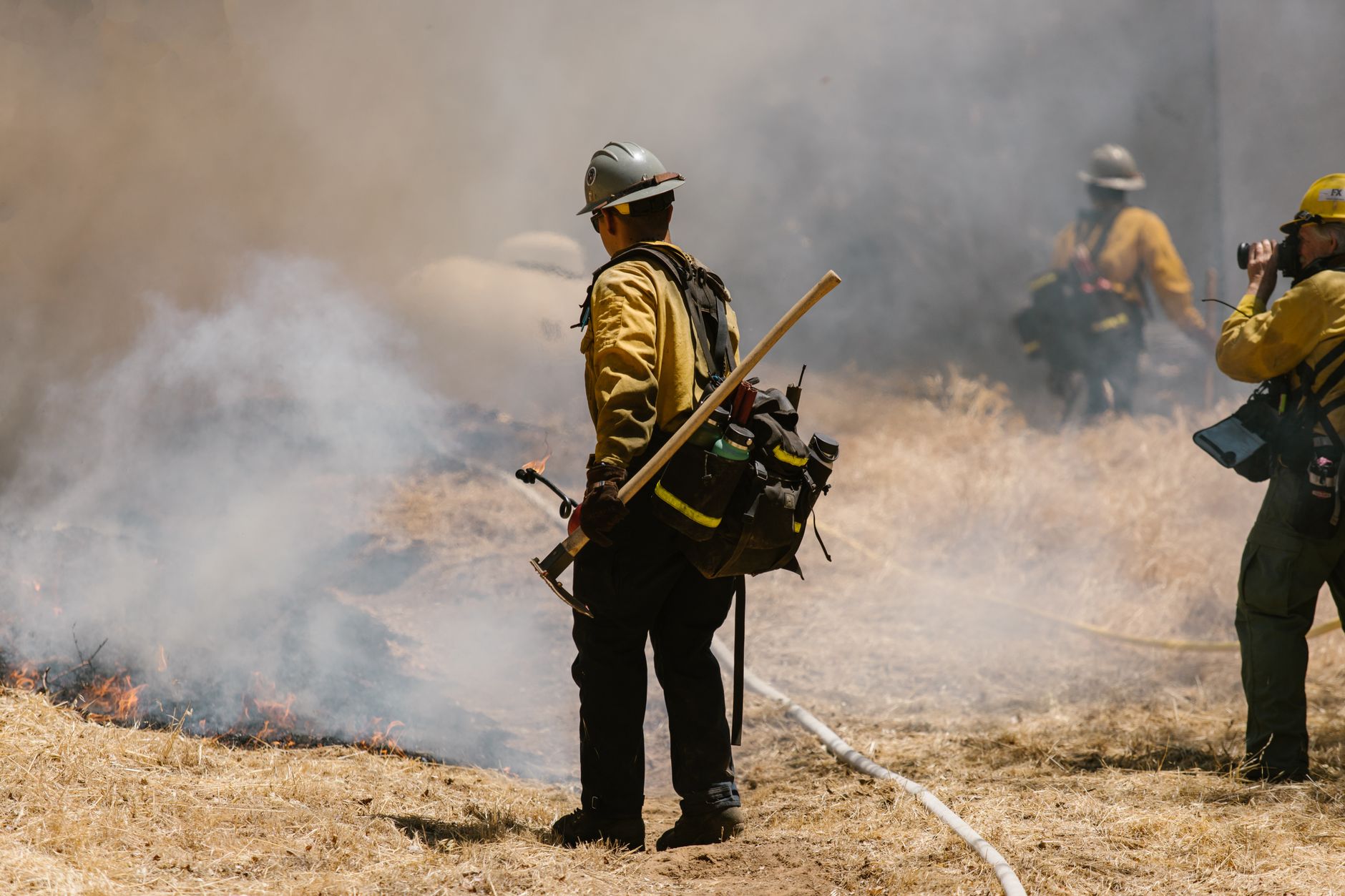
Around the world, from France and Spain to the Pacific Northwest, massive wildfires are testing the limits of international cooperation. While countries have historically shared firefighting resources during severe seasons, climate change is making these fires so widespread and intense that governments are struggling to assist each other. This escalating crisis highlights a critical gap: our firefighting capabilities haven't kept pace with a warming planet, threatening communities and vital ecosystems globally.
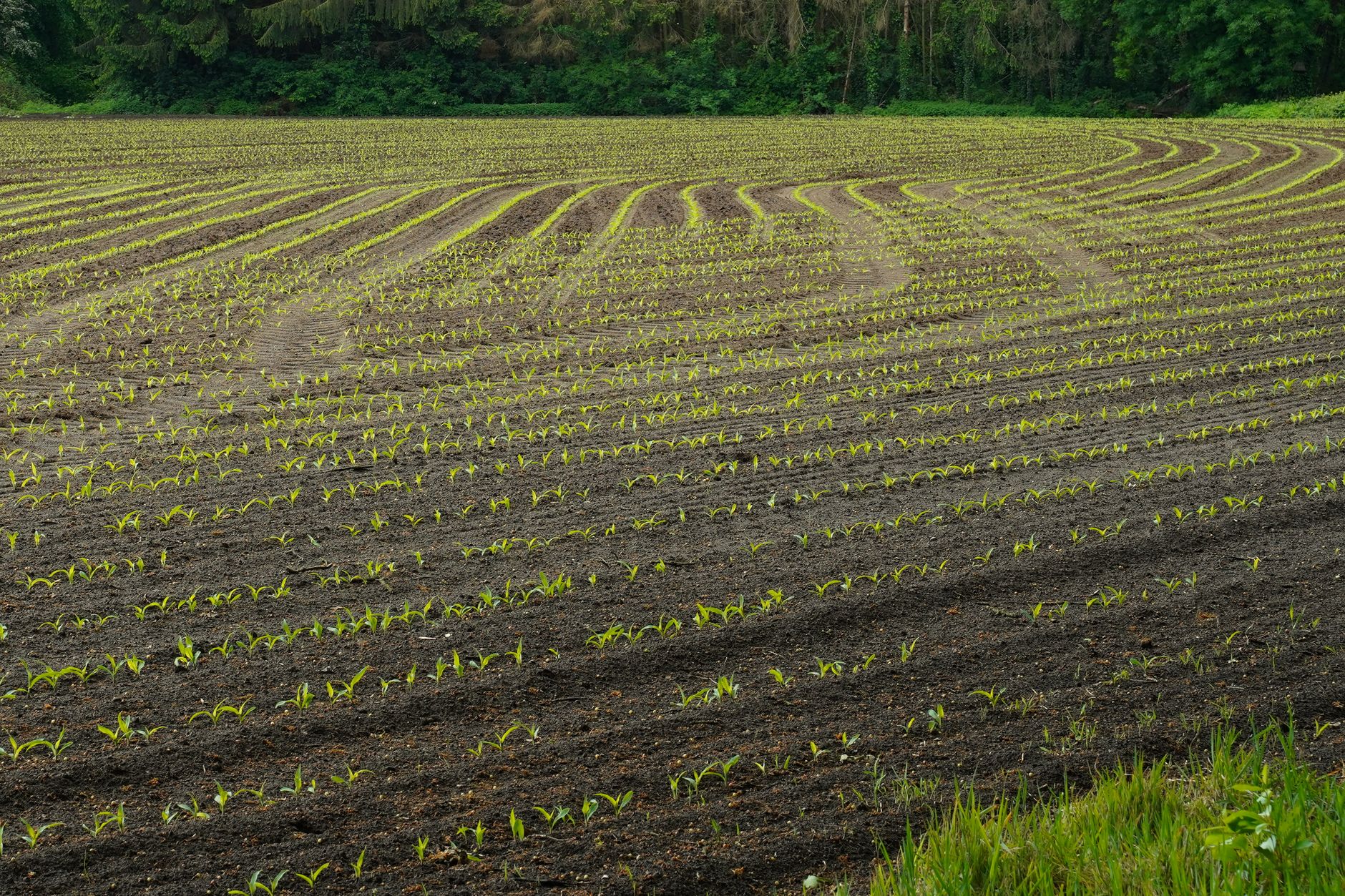
In Puerto Rico, an ancient Caribbean corn variety is being brought back from the past. This significant effort, led by local researchers, aims to preserve a crucial part of the region's culinary history and strengthen food security. With climate change bringing severe challenges like prolonged droughts and water scarcity, this ancestral corn offers a resilient solution. Reconnecting with these deeply rooted agricultural practices is vital for adapting to a changing world and ensuring a sustainable food future for the Caribbean.
Europe is grappling with a severe crisis as extreme heatwaves have claimed over 25,000 lives this year, according to recent data. Germany alone saw nearly 12,000 excess deaths linked to the scorching temperatures. This escalating human cost highlights the urgent threat of climate change, which is intensifying heat events across the continent, now identified as the fastest-warming region on Earth. The situation underscores a critical need for immediate climate action and sustainable solutions to protect vulnerable communities.
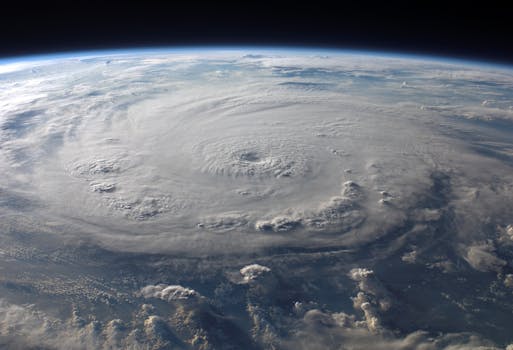
In 2017, Hurricane Harvey delivered a devastating blow to Texas, causing unprecedented flooding. This disaster was a prime example of "compound flooding," where heavy rainfall combines with storm surge, trapping water inland. Scientists warn that such events are set to become far more frequent and severe along U.S. coastlines. Driven by a warming planet, this escalating threat of combined floods, stronger storms, and rising sea levels poses a dire future for coastal communities, risking their very livability within this century.
Beloved bald eagle Jackie, famous for her Big Bear Lake nest livestream, is facing a severe health setback. After her rescue last month, her condition has declined, with her anemia worsening significantly. She remains in intensive care at the Ojai Raptor Center, receiving vital support. This news has left thousands of her devoted fans deeply concerned, highlighting the strong connection people feel to wildlife and the fragile state of even our most iconic birds.
Chinese electric vehicle giant BYD is cementing its lead in the global market, reporting record sales in July 2026, including a 31% increase in battery electric vehicles and an astonishing 124% jump in overseas exports. This rapid expansion extends beyond passenger cars to commercial vehicles like buses and trucks, playing a crucial role in electrifying public transport worldwide. As BYD accelerates its global presence, it also pushes towards a goal of carbon neutrality by 2045, showcasing how business growth can align with urgent environmental action for a cleaner planet.
São Paulo Climate Week 2026 brought together leaders from business, government, and finance to tackle pressing environmental challenges. Discussions at AMCHAM focused on Brazil's role in COP31, emphasizing the shift from climate agreements to concrete implementation by the private sector and leveraging carbon markets. Simultaneously, the MASP event highlighted the critical role of the insurance industry in addressing escalating climate risks, such as those amplified by events like El Niño, stressing the need for better adaptation strategies and public-private partnerships. The overarching message was clear: urgent action, strong collaboration, and innovative financing are crucial for building a sustainable, resilient future in the face of global warming.
President Donald Trump has moved to overturn protections for three vast Pacific marine national monuments, potentially opening these pristine waters to commercial fishing. Established by President George W. Bush to safeguard unique coral reefs, diverse marine life, and vital seabird colonies, these areas have been off-limits to extraction. This decision has sparked strong condemnation from scientists, conservation groups, and Indigenous communities who warn that allowing fishing could severely jeopardize some of the Pacific’s most ecologically significant and culturally sacred places, including the enormous Papahānaumokuākea Marine National Monument.
China has unveiled its crucial new climate action plan for the 2026–2030 period, setting the course for how the world's largest carbon emitter intends to tackle global warming. This plan aims to help China achieve ambitious goals: peaking carbon dioxide emissions before 2030 and reaching carbon neutrality before 2060. Beyond environmental policy, it covers energy, industry, and transport, reflecting a broad strategy for a cleaner economy. The world is watching closely, as China's climate decisions significantly impact clean energy investments, global supply chains, and the overall fight against climate change.
Decades of hard-won progress in improving air quality across the United States are being alarmingly reversed, not by industrial pollution, but by wildfire smoke. A recent study reveals that this smoke, intensified by climate change, has become a more significant prenatal health risk than traditional human sources of air pollution. This startling shift endangers unborn babies, increasing their risk of premature birth, low birth weight, and serious lifelong health issues, with low-income and Indigenous communities bearing the heaviest burden. It underscores a critical and urgent need for stronger climate action.
An intense and destructive wildfire season is taking a devastating toll on wildland firefighters. In a single tragic incident on the Colorado-Utah border, four brave crew members lost their lives while battling a blaze under extreme conditions. This escalating danger is deeply impacting the tight-knit firefighting community and raising urgent questions about safety policies amid a season fueled by historically low snowpacks and record-breaking heat waves, both worsened by human-caused climate change. The situation underscores the critical need for proactive environmental strategies to protect lives and landscapes.