New York City recently announced a $20 million investment to combat childhood asthma in the Bronx, funded by congestion pricing revenue. While welcome, community advocates warn this funding won't solve the ongoing air pollution crisis disproportionately affecting the borough. The Bronx experiences poor air quality year-round, leading to significantly higher rates of childhood asthma compared to the rest of the city. This critical issue highlights the urgent need for comprehensive environmental action to protect vulnerable communities from the hidden dangers in the air they breathe.
Peak Energy is opening the first U.S. factory for commercial sodium-ion battery packs in Sacramento, marking a significant step for clean energy. Unlike traditional lithium-ion batteries, these new systems are built from abundant, less volatile materials, greatly reducing fire risks and environmental concerns. This innovative approach focuses on large-scale storage for power grids and data centers, where the batteries' size is less of a drawback. This development offers a safer, more sustainable way to power our future, accelerating California's move towards a greener, more resilient energy infrastructure. It highlights the urgent need for diverse, reliable clean energy solutions to combat climate change.
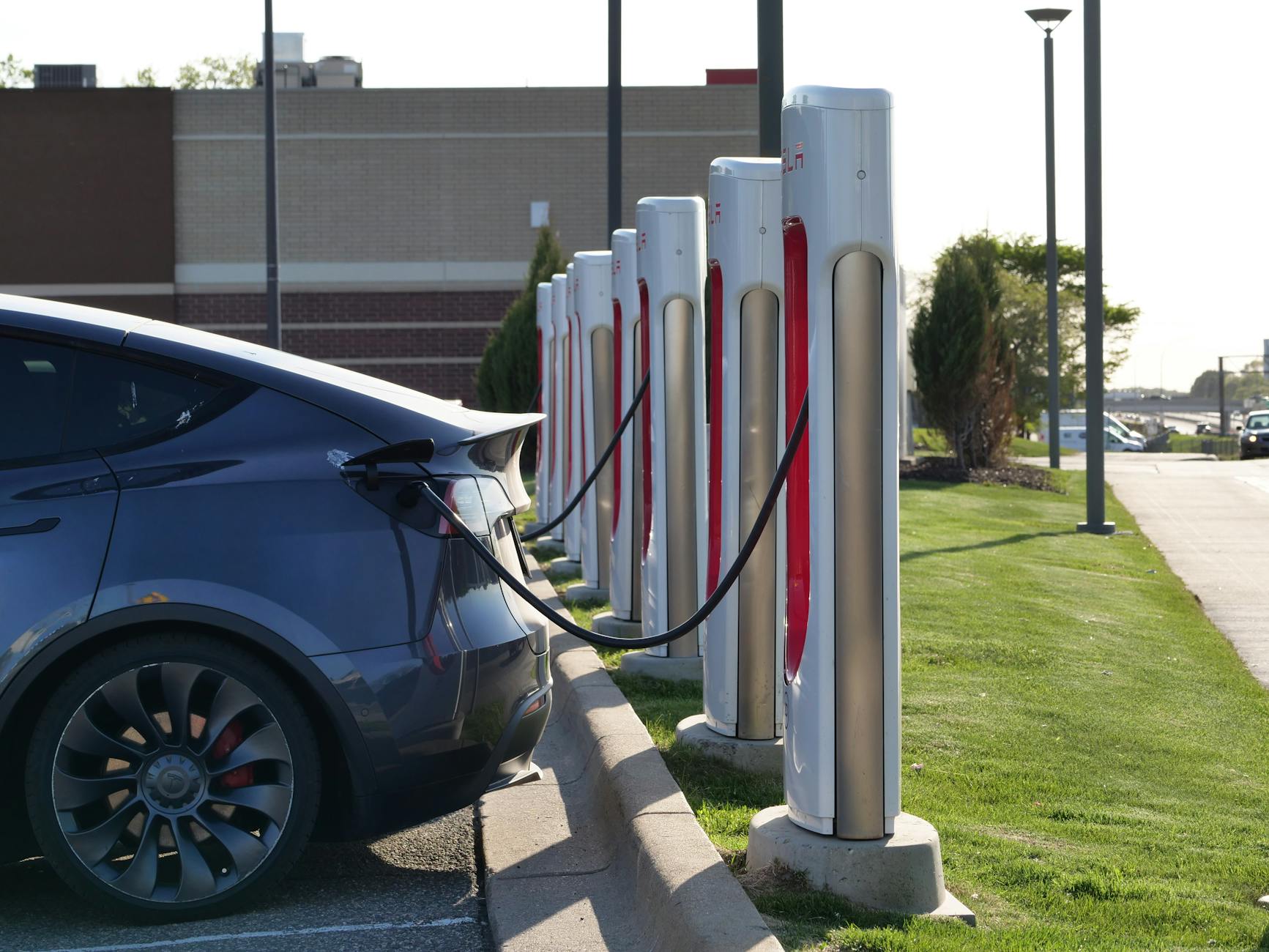
Tesla achieved a significant milestone last year by increasing its battery recycling efforts by 20 percent. The company recycled over 14,000 metric tons of battery material, an amount sufficient to produce around 46,000 new long-range battery packs. This impressive growth highlights Tesla's dedication to creating a circular economy, minimizing waste, and reducing the environmental footprint of electric vehicles. These strides are crucial for accelerating the shift to sustainable transportation and ensuring a cleaner future.
Tesla is preparing a groundbreaking update for its Full Self-Driving (FSD) system, set to arrive by September 2026. This new feature will allow drivers to verbally teach their electric vehicle specific, hyper-local instructions, like which driveway to use or the exact house to pull up to. Unlike traditional maps, the car will remember these personalized commands for future trips, making autonomous driving far more intuitive and reliable in residential areas. This advancement significantly pushes the boundaries of smart electric transportation, enhancing convenience and efficiency for sustainable vehicles.
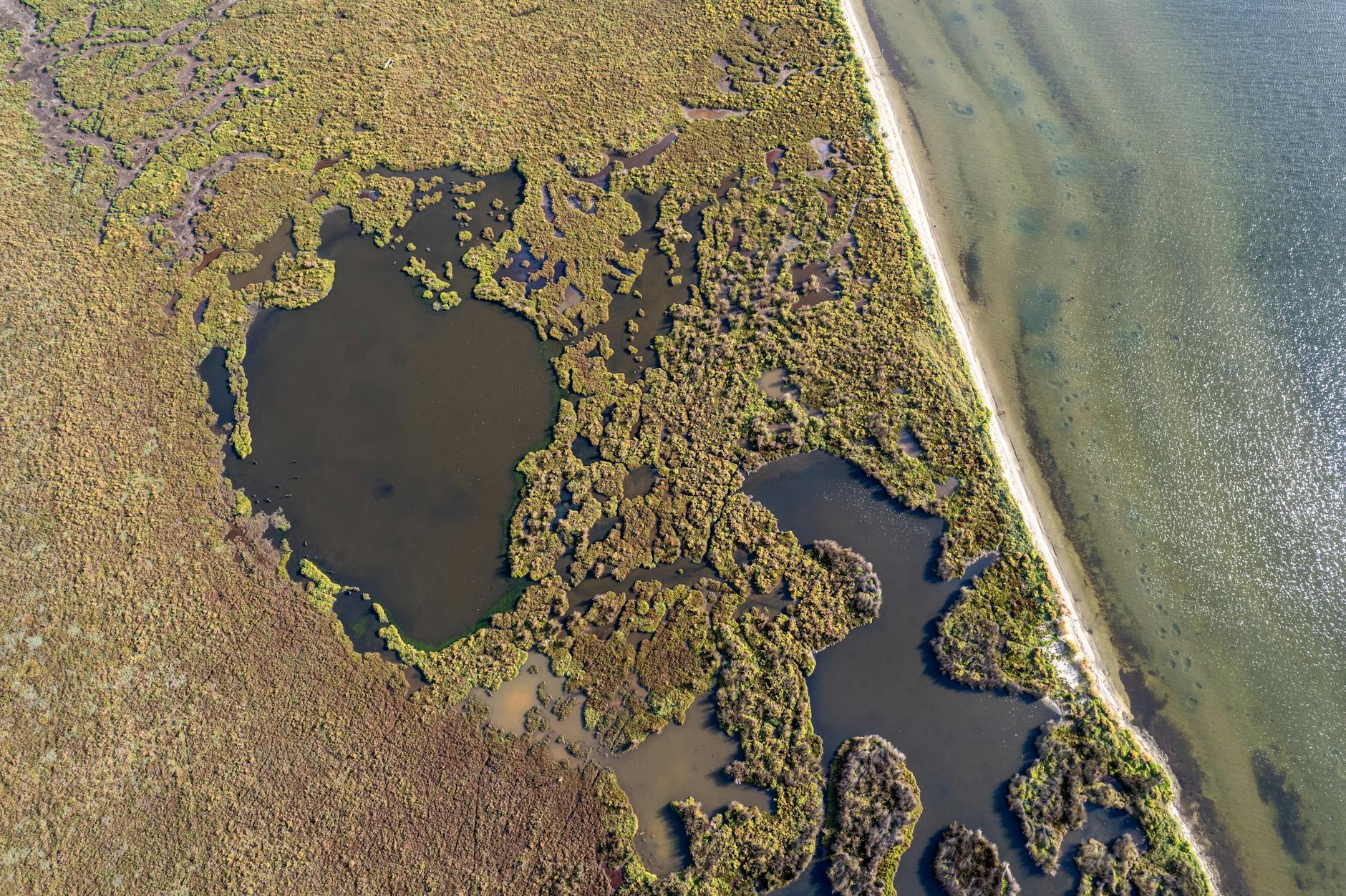
A recent court decision in New York has delayed crucial protections for over a million acres of vital wetlands across the state. In 2022, the legislature aimed to safeguard these areas, especially those of "unusual importance" that filter water, host diverse wildlife, and act as critical buffers against climate change-driven extreme rainfall. Now, due to the ruling, the state's Department of Environmental Conservation (DEC) cannot enforce protections for these special wetlands until new regulations are drafted, a process that could take years. This legal limbo leaves invaluable natural resources vulnerable, highlighting the urgent need for environmental action amidst a changing climate.
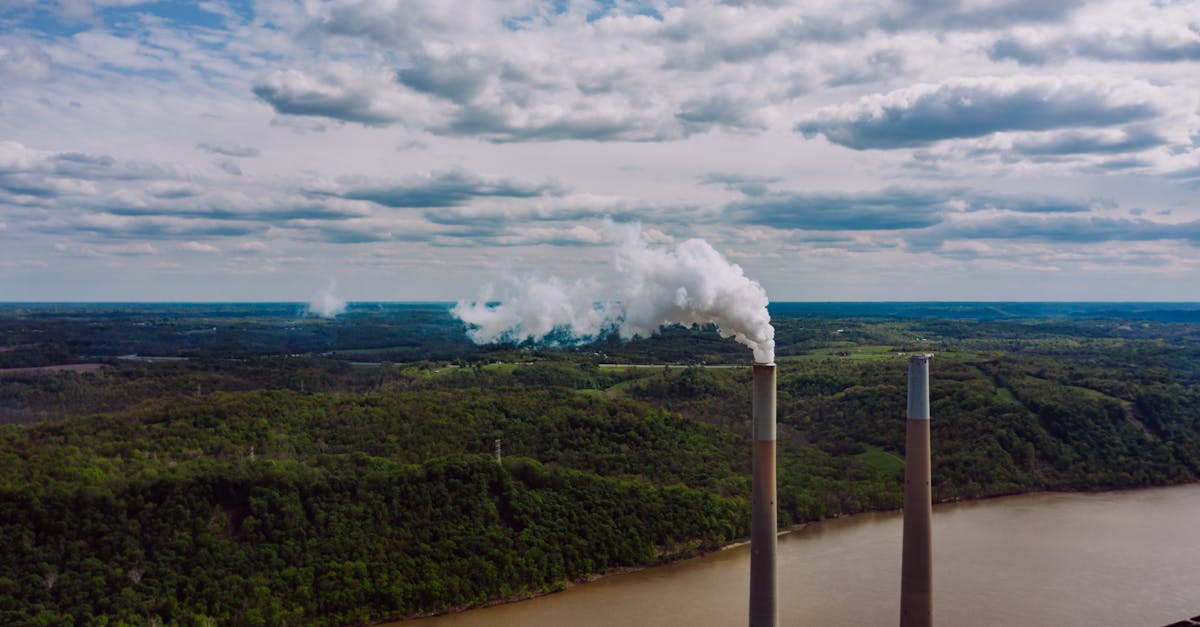
The U.S. natural gas industry is experiencing significant growth in 2026, with record production driven by rising electricity demand from AI data centers, manufacturing, and electrification. Natural gas remains the leading source of U.S. electricity, often balancing renewable energy and replacing coal. However, this surge comes with increasing scrutiny due to its substantial carbon dioxide and methane emissions, which significantly contribute to global warming. This complex situation highlights the ongoing challenge of balancing energy needs with urgent climate action.
An obscure international system, known as investor-state dispute settlement (ISDS), is enabling foreign companies to demand massive taxpayer-funded payouts from governments. This process allows businesses to challenge new policies, even those vital for environmental protection and public health, if their profits are affected. The "Cashing Out" investigation reveals how these secretive arbitrations, often lacking transparency and appeal options, are costing nations billions and actively hindering urgent climate action. This hidden mechanism creates a worrying disincentive for governments to advance sustainable solutions and protect the planet.
Inside Climate News' award-winning "Planet China" series has been honored for its groundbreaking work exposing the environmental consequences of China’s massive global development push. This investigative journalism unveiled often-hidden ecological and public health damage across several continents, challenging the narrative of "win-win" partnerships. The series highlights a critical global challenge: how economic expansion, even when framed as progress, can profoundly impact our planet's most vulnerable ecosystems and communities. Such reporting is vital for understanding and addressing the urgent need for sustainable global practices.
California's crucial cap-and-invest climate program is facing a significant legal challenge. An environmental justice group, Communities for a Better Environment, has sued the state's air quality regulator, alleging an illegal fast-tracking of a new incentive benefiting industrial polluters. The lawsuit claims California's Air Resources Board (CARB) bypassed essential environmental reviews for a recent overhaul of the program. This legal battle highlights concerns that the changes could weaken climate action, threaten vital funding for community projects, and disproportionately affect vulnerable neighborhoods already dealing with pollution.
Germany recently faced a devastating heat wave in late June, resulting in over 5,000 excess deaths, according to preliminary data. This alarming toll from the Federal Statistical Office underscores the severe impact of extreme temperatures. Europe, recognized as the fastest-warming continent, is experiencing an alarming increase in the frequency and intensity of such heat events. These figures serve as a stark reminder of how rapidly global warming is straining public health and critical infrastructure, demanding urgent climate action. This isn't just a national issue; other European nations have also reported thousands of heat-related fatalities.
A groundbreaking 'Rights of Nature' Bill recently passed its second reading in the UK House of Lords, sparking a crucial debate about humanity's place in the natural world. This proposed legislation challenges traditional views by asserting that nature holds fundamental rights, placing them above human and economic interests. Proponents argue that recognizing nature's inherent value is essential for addressing the urgent environmental crises we face, acknowledging our deep dependence on all life. The initiative highlights a growing global movement to grant legal personhood to ecosystems, rivers, and wildlife, aiming for stronger environmental protection.
This summer has brought a dangerous and deadly start to the season, with severe heat waves sweeping across Europe and the United States. Millions have faced dangerously high temperatures, leading to thousands of excess deaths and overwhelming healthcare systems. This escalating crisis serves as a stark reminder of the urgent need for environmental action, as experts warn these heat events are a preview of future climate change impacts. Protecting our communities from extreme weather demands immediate and sustained efforts toward sustainable solutions.