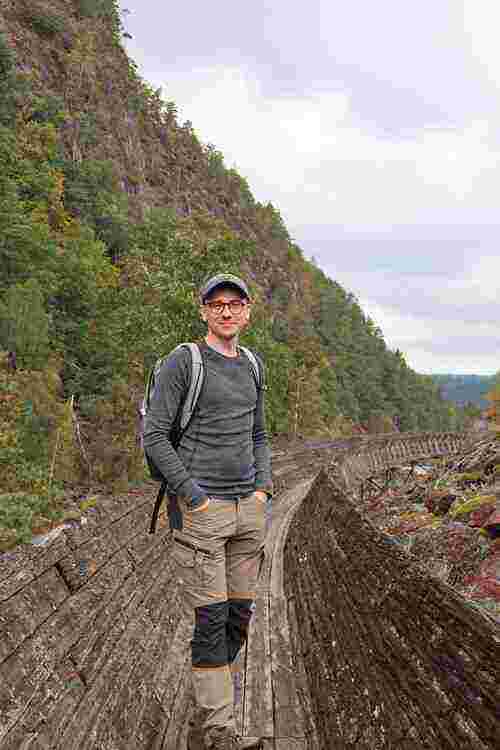
Dirk Paessler, a software entrepreneur turned climate activist, is championing Carbon Dioxide Removal (CDR) as a vital solution in the fight against global warming. His organization, Carbon Drawdown Initiative, sees immense opportunities in this emerging field for both individuals and countries, positioning Germany as a global leader in innovation. By investing in climate tech, influencing policy, and conducting hands-on research, Paessler aims to accelerate negative emissions, underscoring the urgent need for new strategies to protect our planet. This work highlights how persistent scientific inquiry is crucial for addressing our most pressing environmental challenges.
Climate advocates face significant burnout, hindering their crucial work to combat global warming. Despite abundant solutions like cheaper renewables, a lack of emotional stamina and supportive community infrastructure often leaves people feeling overwhelmed. Dr. Katharine K. Wilkinson’s new book, “Climate Wayfinding,” addresses this by offering a framework to build personal resilience and sustained engagement. It emphasizes the need for spaces for reflection, grief, and renewal, shifting the focus from mere "to-do" lists to deeper, meaningful contribution. This approach is vital for fostering the collective strength needed to drive essential environmental action.
A recent Carbon Drawdown Symposium revealed crucial insights into the complex science of Enhanced Rock Weathering (ERW), a promising solution for climate change. While initial expectations for quick results proved overly optimistic, four years of dedicated research have refined our understanding. Experts gathered, demonstrating a collaborative spirit fueled by the urgent need for climate action. New data, though posing fresh questions, is helping scientists pinpoint where ERW can be most effective. This ongoing research is vital for developing sustainable strategies to remove carbon from our atmosphere and combat global warming.
As the world rapidly shifts towards electric vehicles and cleaner energy systems, the demand for critical minerals like nickel is soaring. Alaska Energy Metals Corporation (AEMC) is emerging as a key player, working to secure a domestic supply of this vital metal for North America. With projects in Alaska and Quebec, the company is moving beyond early exploration, aiming to provide essential resources that support sustainable solutions and reduce reliance on foreign sources. Upcoming developments in 2026-2027 could significantly shape its role in the global clean energy transition.
Five months after a significant jet fuel leak at Joint Base Andrews, an estimated 22,000 gallons remain unrecovered in Piscataway Creek. Despite the leak's detection in December and its potential spread, no official agency conducted water testing downstream where the creek meets the Potomac River, a vital area for fishing and recreation. This alarming lack of oversight has prompted local Indigenous communities and environmental groups to take action, launching their own independent water quality monitoring to protect the cherished waterways and inform the public about the ongoing environmental threat.
Every day, thousands of essential weather sensors are launched into our atmosphere, only to be lost forever, creating significant waste and cost. Now, a 22-year-old French innovator, Yohan Hadji, has reimagined this process with his 'Meteoglider' invention. This clever foam glider carries crucial weather instruments nearly 20 miles high before safely returning them to Earth for reuse. His sustainable approach promises to cut costs, reduce environmental pollution, and improve vital climate forecasting.
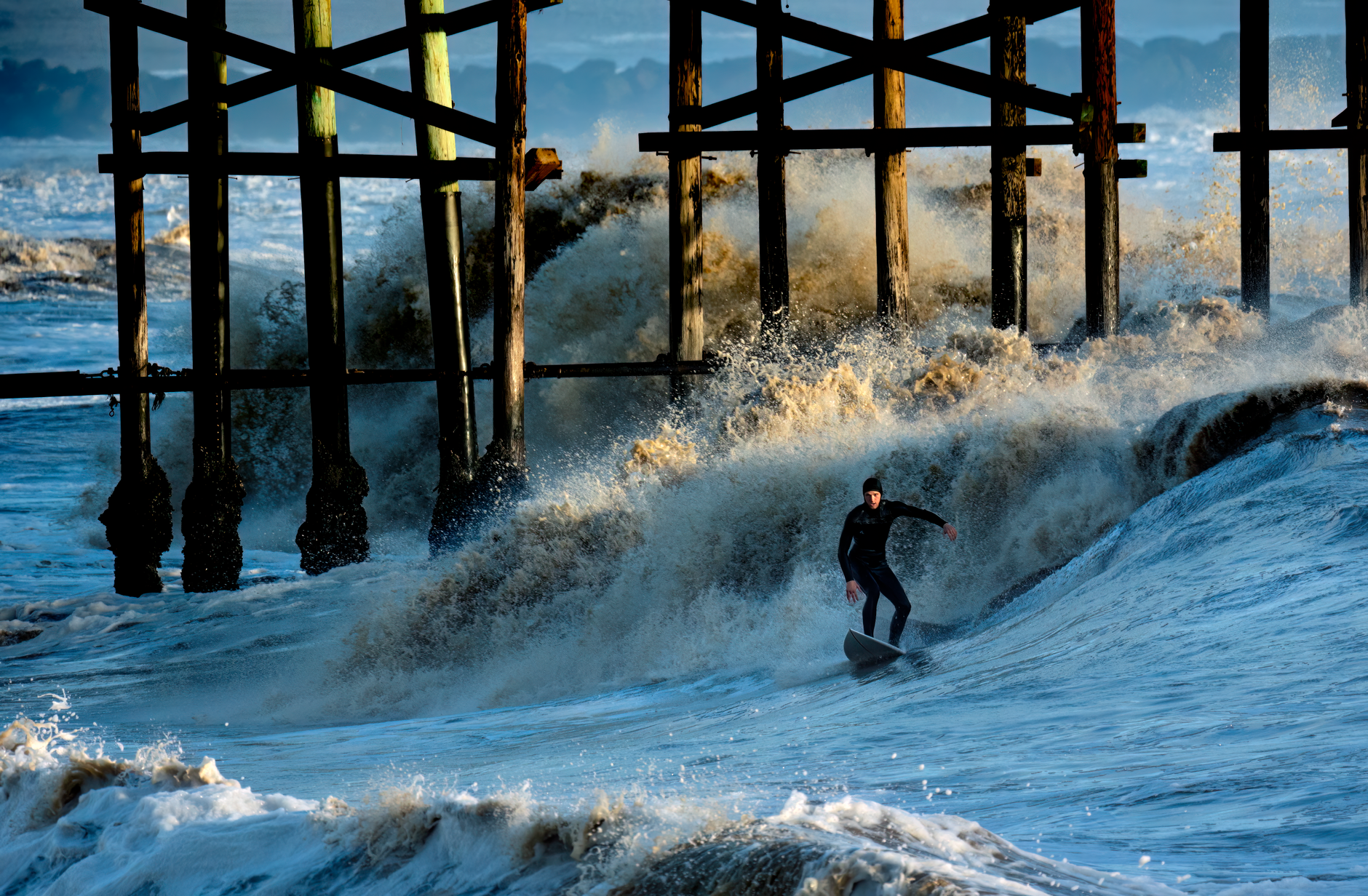
As a historic El Niño event fuels record sea levels and powerful storms, California's coastlines are under immense strain. The closure of Pacifica Municipal Pier, deemed unsafe due to decades of relentless waves, spotlights a critical challenge. This incident has prompted urgent calls for state and federal funding to bolster coastal resilience. The situation underscores the accelerating climate crisis and forces communities to confront difficult decisions about protecting vital infrastructure against an increasingly powerful ocean.
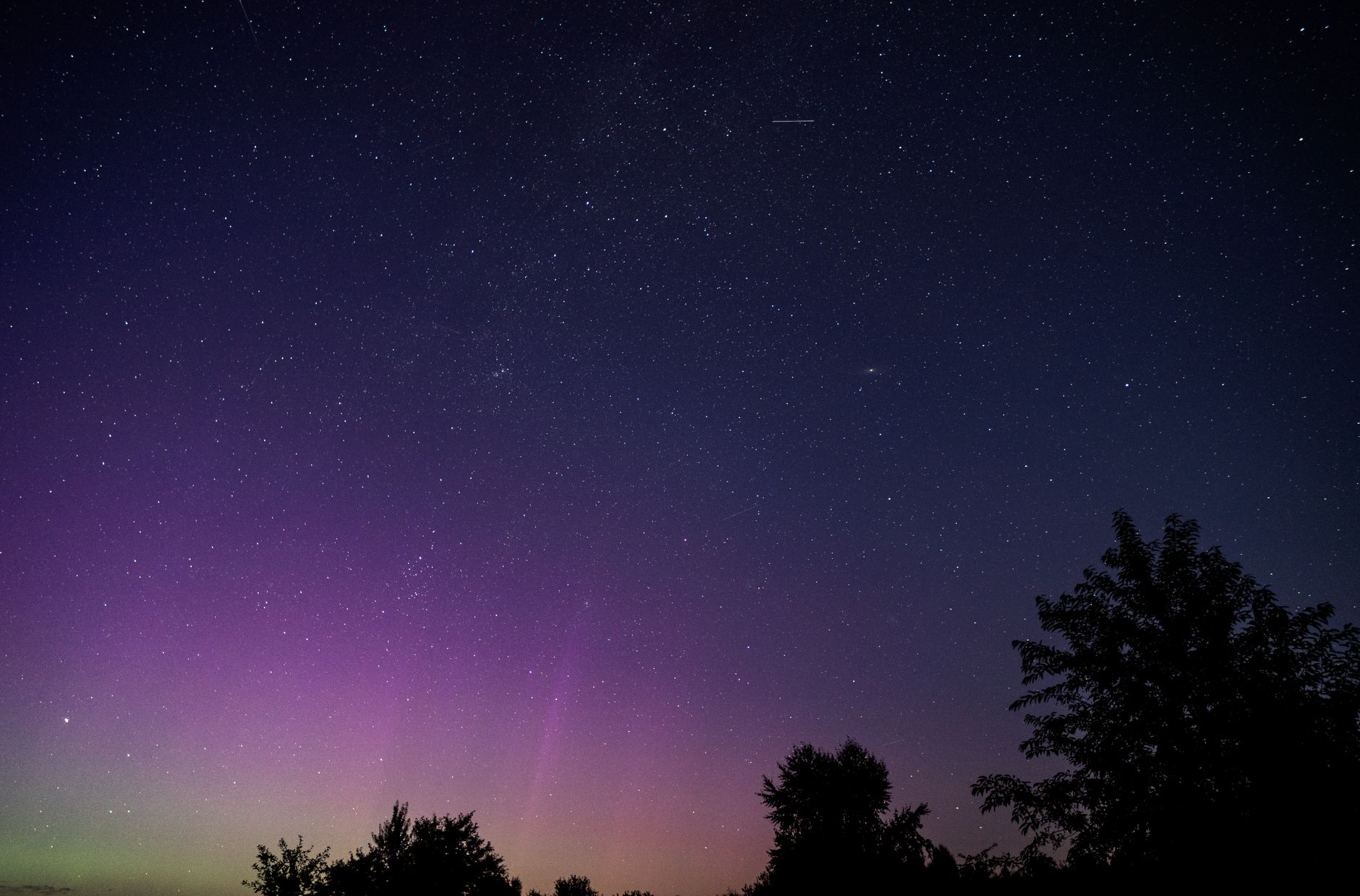
The night sky, a timeless guide and source of wonder, is facing an unprecedented threat from a boom in commercial satellites. Thousands more are planned for launch, crowding Earth's orbit and introducing significant atmospheric pollution. Scientists warn these activities, from rocket exhaust to disintegrating satellite particles, could alter climate patterns on Earth and dim our view of the stars. This rapid industrialization of space raises urgent questions about who controls this shared global commons and the environmental toll of unchecked expansion.
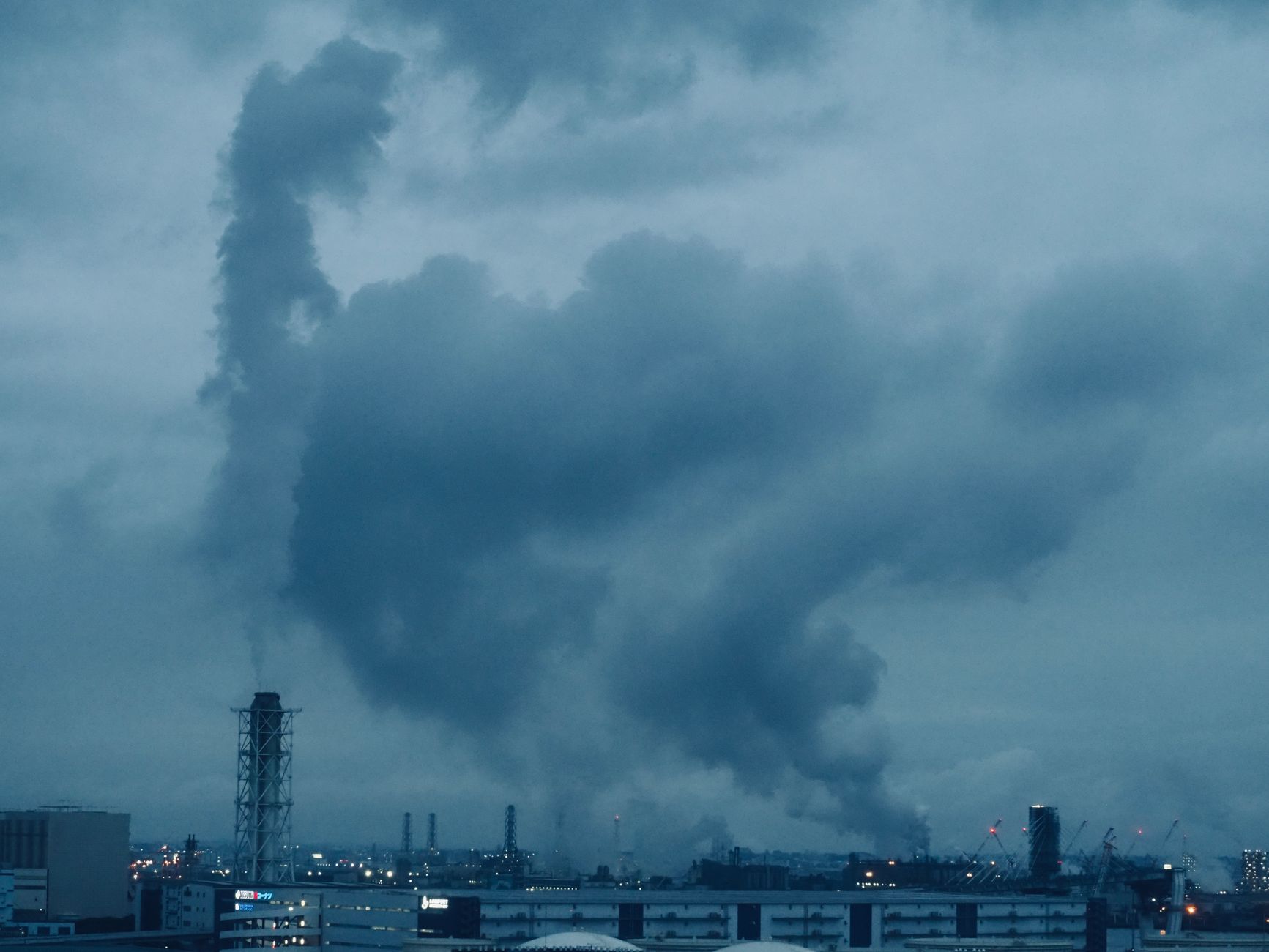
Record-high global temperatures aren't solely caused by the greenhouse gases we usually talk about. A groundbreaking new paper reveals that a significant 15 percent of human-driven global warming comes from lesser-known pollutants, like carbon monoxide and soot. These emissions don't warm the planet directly but trigger atmospheric reactions that create more potent greenhouse gases or make existing ones last longer. Worryingly, these major contributors are not covered by current international climate treaties, highlighting a critical gap in our fight against climate change.
Summer might taste a little pricier this year, especially when it comes to tomatoes. Shoppers are facing significantly higher costs for this popular staple, largely due to severe weather events in key growing regions. This isn't just a bad season; experts say these price hikes are a stark reminder of how global warming is impacting our daily groceries and household budgets. The urgency of addressing climate change becomes clearer with every rising food cost, highlighting the direct link between environmental stability and economic well-being.
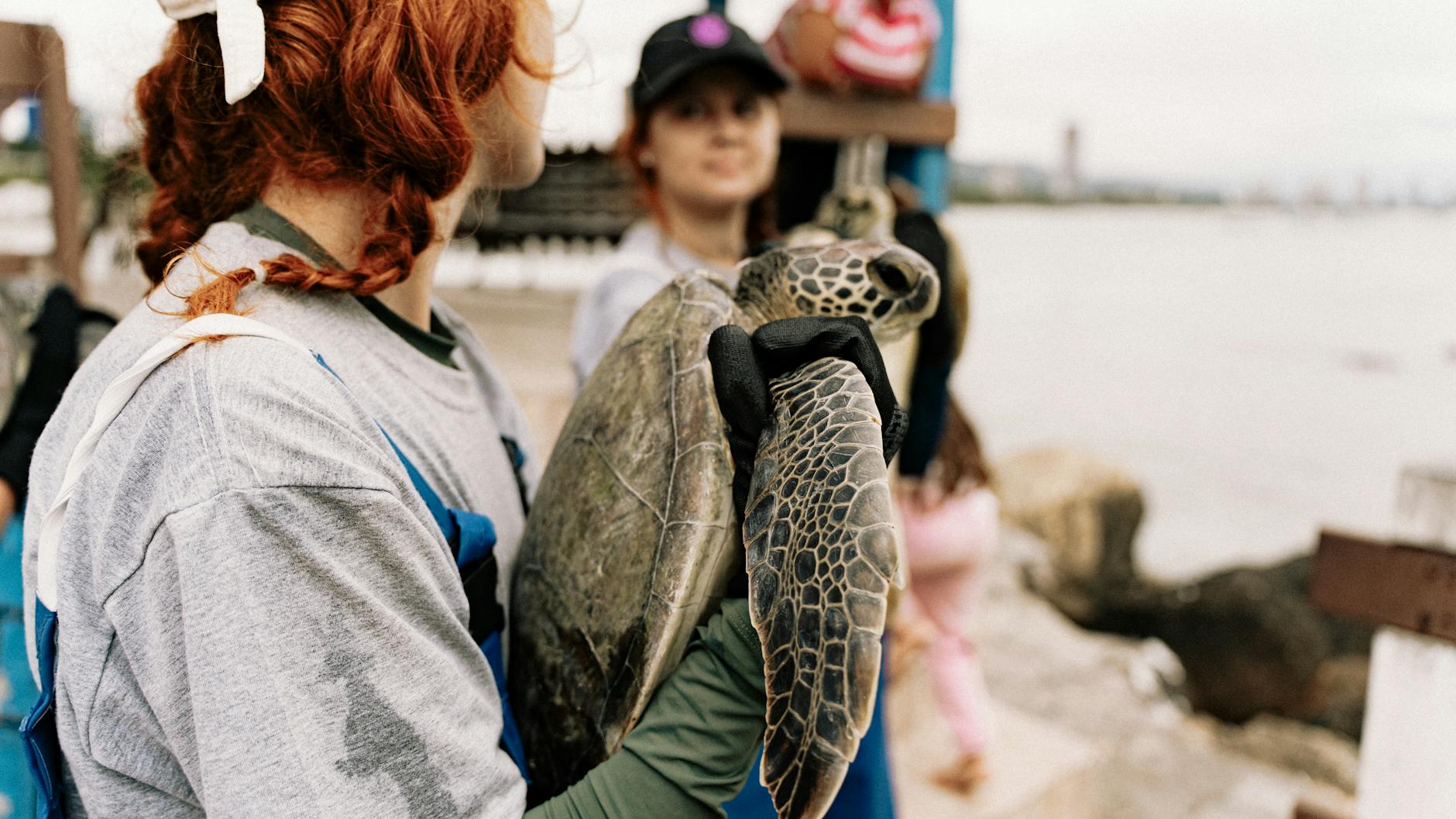
A dedicated network of volunteers across Florida is working tirelessly to rescue endangered sea turtles from fishing entanglements, a common threat along the state's popular piers. These rapid response teams not only save individual turtles like Bowser, a recent loggerhead rescue, but also highlight the broader environmental challenges these ancient creatures face. Their efforts are crucial in protecting marine life and underscore the urgent need for continued conservation as sea turtles grapple with both immediate dangers and the long-term impacts of a changing climate.
Botanist Beronda Montgomery's book, "When Trees Testify," powerfully links the hidden history of African Americans with the enduring life of trees. She reveals how ancient trees, through photosynthesis, literally captured the "breath" of enslaved ancestors, serving as living archives and "material witnesses" to profound human experiences. This groundbreaking work blends science, history, and memoir, urging us to recognize the deep connections between people and plants. It emphasizes trees' critical role not just in our past, but also in confronting today's climate challenges and inspiring a more sustainable future.